SEWING IS HARD / JONATHAN MICHAEL SQUARE


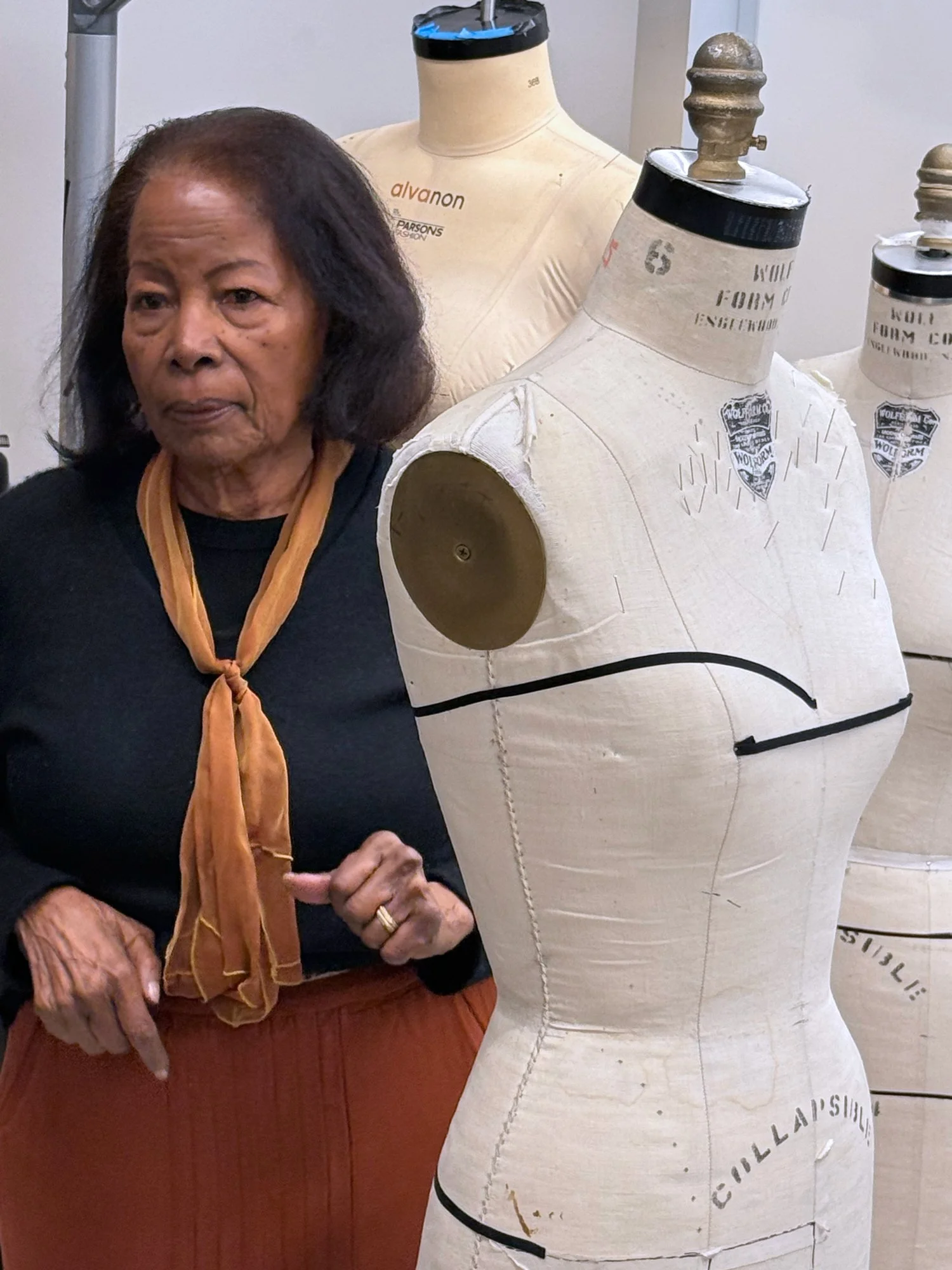
Phyllis Vashti de Verteuil taught my Construction Techniques I and II courses and has served as a steady guide as I continue to hone my sewing and construction skills. Wanting to better understand the depth of experience behind her teaching, I sat down with her to learn more about her life and career. De Verteuil was born and raised in Trinidad and Tobago, in a household shaped by craft and education. Her father was a mathematics professor, and her mother, Nita Jane, was both an educator and a skilled seamstress. While her parents envisioned a conventional path for her—marriage alongside a career in law or nursing—de Verteuil chose otherwise. She saved her money and relocated to New York City in 1970, committing herself to a life shaped by creative labor and self-determination.

She initially lived in SoHo, which in the early 1970s was defined by emerging artists and small galleries operating on shoestring budgets. When her landlord raised the rent, de Verteuil found another loft at 325 Broome Street listed in The Village Voice. Her upstairs neighbor was Keith Haring, who would later become a close friend.

In 1978, de Verteuil enrolled at the Fashion Institute of Technology, where she studied fashion design and merchandising. As her professional career gained momentum, her formal studies began to recede. By 1981, she was just two credits shy of completing her degree but chose instead to launch her business. That decision set the course for her career. She began showing her work at accessories trade shows in the United States and abroad. She soon opened the short-lived Vashti—using her middle name professionally—on the edge of the then not-yet-gentrified East Village. It closed and she opened Gallery Vercon at 332 East Ninth Street two years later.

Her work soon attracted the attention of major figures in the fashion world. She showed her designs to Oscar de la Renta, whom she recalls as gracious and well-mannered. It was Loris Azzaro and Jean-Louis Scherrer, however, with whom she ultimately collaborated. Yves Saint Laurent also expressed sustained interest in her work, particularly her couture belts, leading to a two-year collaboration in the early 1980s, a decade marked by oversized silhouettes often defined by bold, decorative belts. Her career unfolded at a pace that mirrored the intensity and speed of the fashion industry itself.
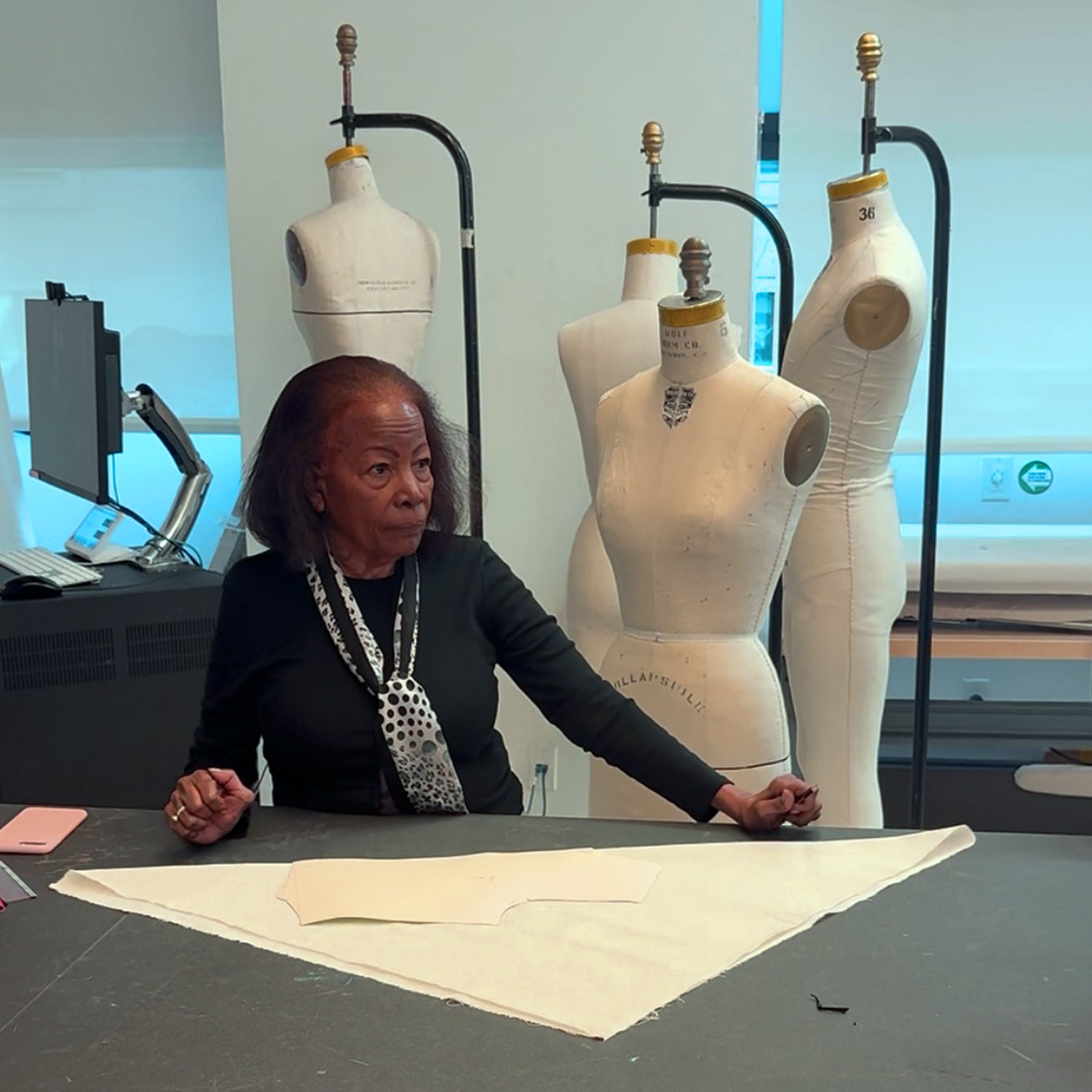
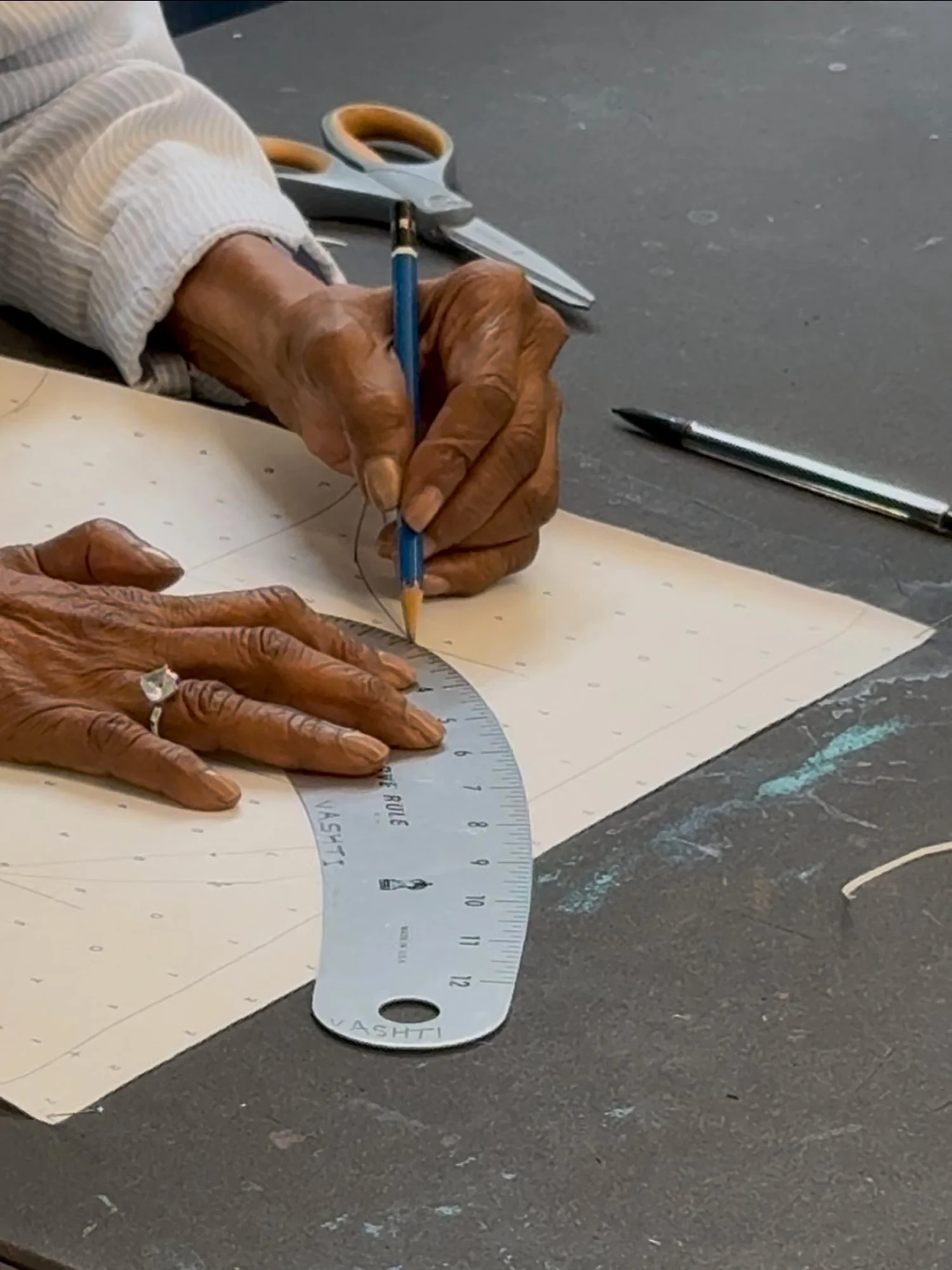
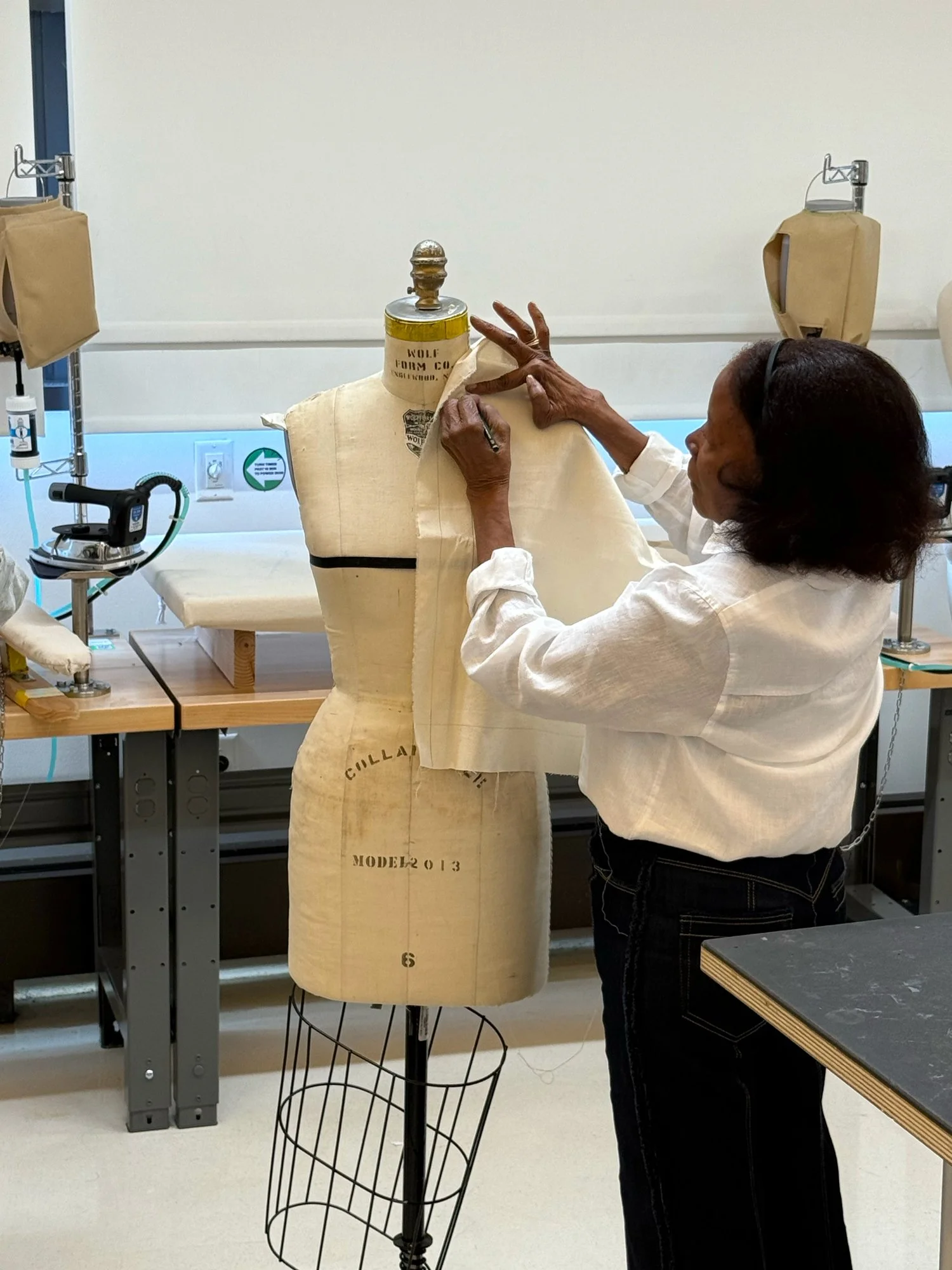
Following a trade show presentation, an organizer passed along a card left by Nina Lasky, then Assistant Dean of the School of Fashion at Parsons School of Design. After reviewing her portfolio, Lasky and her colleagues invited de Verteuil to teach. Beginning in the early 2000s, she taught across several programs at Parsons, balancing pedagogy with professional practice. It was through this work that I came to know her as my professor.

De Verteuil has been working in the fashion industry longer than I have been alive. I am deeply grateful to study under someone whose hands and mind carry decades of embodied knowledge, hard-won experience, and an enduring commitment to design as both craft and discipline.